Stem Cells vs. Botox vs. Fillers: A Comparison of Facial Rejuvenation Techniques
Last updated: 17 Jan 2025
1087 Views
In today's world, beauty and youthful skin have become highly sought after. As a result, various technologies and rejuvenation methods have been developed. Three popular facial rejuvenation treatments are stem cells, Botox, and fillers, often used to address wrinkles or to add volume and fullness to the face. Each method has its unique advantages, disadvantages, and mechanisms of action.
Stem Cells Stem cells are cells with the potential to develop into different types of cells in the body. They can also help repair and regenerate damaged tissues. Stem cells used in beauty treatments are often mesenchymal stem cells from umbilical cord (UC-MSCs). These cells increase the production of fibroblasts, cells that produce collagen and elastin, as well as hyaluronic acid. This results in numerous benefits, including rejuvenated, radiant, and hydrated skin, reduced wrinkles and sagging.
• Safe and has no side effects: UC-MSCs are not rejected by the immune system and are not chemical substances, making them safe.
• Long-term skin rejuvenation: Stimulates the production of new collagen for long-lasting, healthy skin.
• Individuals looking to treat wrinkles and other skin concerns from within.
Botox Botox is a protein derived from bacteria that is injected to reduce muscle activity. It is commonly used to treat dynamic wrinkles, such as those on the forehead, between the brows, or around the eyes. It can also be used to soften the appearance of nasolabial folds and reduce the thickness of the nose. Results are typically visible within a week, with optimal results seen within two weeks.
• Convenient and minimally invasive: The procedure is quick and requires no downtime.
• Only treats wrinkles caused by muscle movement: Does not stimulate collagen production or repair tissue.
• Potential side effects: Incorrect injections can lead to asymmetry, drooping eyelids, or muscle stiffness.
Fillers Fillers are substances injected into the skin to fill in areas that have lost volume or collagen. Hyaluronic acid is a commonly used filler and can help to plump and volumize the skin.
• Reduces wrinkles and lines: Can improve the appearance of deep wrinkles and folds.
• Improves skin hydration and elasticity.
• Immediate results.
• Potential for swelling and bruising.
• Risk of vascular occlusion.
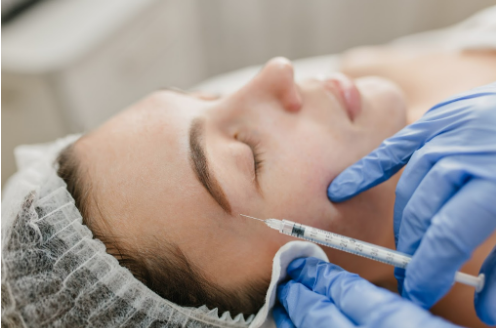
The choice between stem cells, Botox, and fillers depends on individual needs and goals. Stem cells offer a natural, long-term solution for skin rejuvenation, while Botox is ideal for rapid wrinkle reduction, and fillers are best for adding volume and correcting facial imperfections. Consulting with a qualified healthcare professional is essential to determine the most suitable treatment.
Stem Cells Stem cells are cells with the potential to develop into different types of cells in the body. They can also help repair and regenerate damaged tissues. Stem cells used in beauty treatments are often mesenchymal stem cells from umbilical cord (UC-MSCs). These cells increase the production of fibroblasts, cells that produce collagen and elastin, as well as hyaluronic acid. This results in numerous benefits, including rejuvenated, radiant, and hydrated skin, reduced wrinkles and sagging.
- Advantages:
• Safe and has no side effects: UC-MSCs are not rejected by the immune system and are not chemical substances, making them safe.
• Long-term skin rejuvenation: Stimulates the production of new collagen for long-lasting, healthy skin.
- Suitable for:
• Individuals looking to treat wrinkles and other skin concerns from within.
Botox Botox is a protein derived from bacteria that is injected to reduce muscle activity. It is commonly used to treat dynamic wrinkles, such as those on the forehead, between the brows, or around the eyes. It can also be used to soften the appearance of nasolabial folds and reduce the thickness of the nose. Results are typically visible within a week, with optimal results seen within two weeks.
- Advantages:
• Convenient and minimally invasive: The procedure is quick and requires no downtime.
- Limitations:
• Only treats wrinkles caused by muscle movement: Does not stimulate collagen production or repair tissue.
• Potential side effects: Incorrect injections can lead to asymmetry, drooping eyelids, or muscle stiffness.
- Suitable for:
Fillers Fillers are substances injected into the skin to fill in areas that have lost volume or collagen. Hyaluronic acid is a commonly used filler and can help to plump and volumize the skin.
- Advantages:
• Reduces wrinkles and lines: Can improve the appearance of deep wrinkles and folds.
• Improves skin hydration and elasticity.
• Immediate results.
- Limitations:
• Potential for swelling and bruising.
• Risk of vascular occlusion.
- Suitable for:
The choice between stem cells, Botox, and fillers depends on individual needs and goals. Stem cells offer a natural, long-term solution for skin rejuvenation, while Botox is ideal for rapid wrinkle reduction, and fillers are best for adding volume and correcting facial imperfections. Consulting with a qualified healthcare professional is essential to determine the most suitable treatment.
Related Content

Many people have likely come across the term stem cells through media channels that highlight their medical and cosmetic benefits. Today, stem cells are a promising option in regenerative medicine, known for their role in repairing and revitalizing the body. Research has shown that stem cells have the potential to treat degenerative diseases and chronic inflammation where conventional treatments might fall short.
9 Jan 2025

The use of umbilical cord mesenchymal stem cells (UC-MSCs) has garnered significant attention in the beauty and anti-aging industries. With their exceptional ability to rejuvenate skin cells, repair damaged tissues, and enhance collagen and skin elasticity, UC-MSCs can restore skin to a smooth, radiant state, delay the appearance of wrinkles, and maintain youthful skin.
20 Nov 2024

Wound healing, particularly for chronic wounds, remains a significant medical challenge. Chronic wounds often take a long time to heal and are associated with a high risk of complications. Moreover, these wounds can significantly impact a patients quality of life, causing pain, infections, social isolation, and limitations in daily activities.
9 Jan 2025
