Stem Cell Treatment for Chronic Wounds
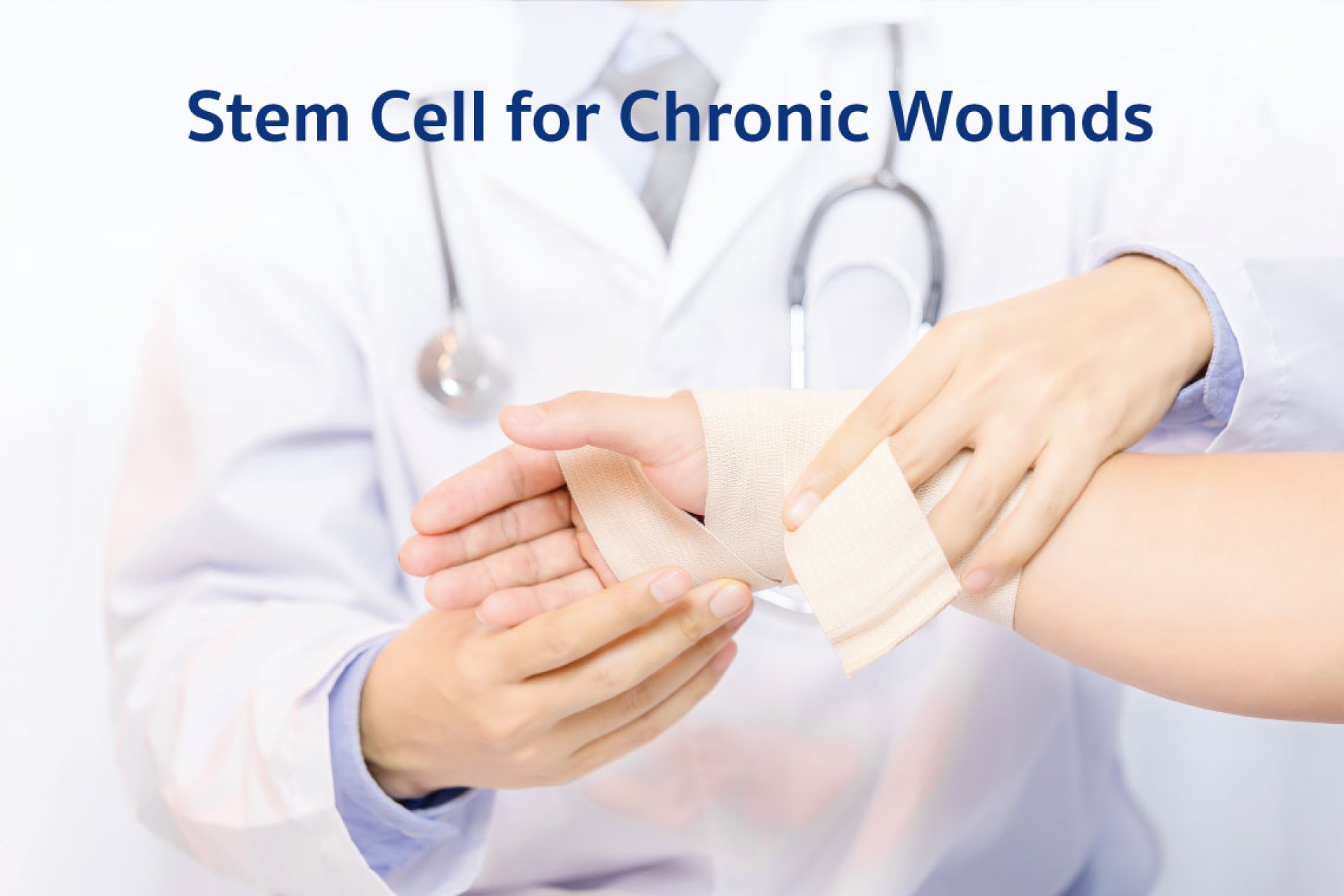
Wound healing, particularly for chronic wounds, remains a significant medical challenge. Chronic wounds often take a long time to heal and are associated with a high risk of complications. Moreover, these wounds can significantly impact a patient's quality of life, causing pain, infections, social isolation, and limitations in daily activities.
Stem cell therapy has emerged as a promising approach for treating chronic wounds due to its potential to regenerate tissues and promote efficient healing. This article will explore the role of stem cells in treating chronic wounds and burn injuries.
What are Stem Cells?
Stem cells are specialized cells with the ability to develop into various cell types in the body. They also have the capacity to self-renew and repair damaged tissues. Stem cells can be categorized into several types, such as bone marrow stem cells, adipose-derived stem cells, and umbilical cord stem cells, each with unique properties and applications in medicine.
Umbilical cord mesenchymal stem cells (UC-MSCs) have been recognized in research as a potent cell therapy for promoting wound healing. UC-MSCs can differentiate into various cell types involved in wound healing, including dermal fibroblasts, endothelial cells, and keratinocytes. Additionally, MSCs promote angiogenesis, cell regeneration, and tissue repair through various mechanisms.
The Role of Stem Cells in Chronic Wound Healing
Chronic wounds are those that fail to heal within a normal timeframe, such as diabetic ulcers and pressure ulcers. These wounds often result from chronic inflammation. Stem cell therapy can accelerate the healing process through various mechanisms:
- Stimulating new tissue formation: Stem cells can stimulate the formation of new cells, such as skin cells and fibroblasts, which aid in tissue regeneration and wound closure.
- Secreting growth factors: Stem cells secrete growth factors like VEGF, FGF, and EGF, which enhance blood flow and tissue repair.
- Reducing inflammation: Stem cells have the ability to modulate the immune response and reduce inflammation in chronic wounds, minimizing tissue damage and promoting healing.
- Repairing damaged tissue: Stem cells can differentiate into new skin cells, repairing damaged tissue and improving wound healing.
- Promoting angiogenesis: Stem cells stimulate the formation of new blood vessels, enhancing blood flow to the wound area and providing essential nutrients and oxygen for healing.
In conclusion, stem cells offer a promising therapeutic approach for wound healing due to their ability to stimulate tissue regeneration and promote cell growth. The application of stem cells in medicine represents a significant advancement in wound care and the development of future medical technologies.
Si Wu, Shengbo Sun, Wentao Fu, Zhengyang Yang, Hongwei Yao and Zhongtao Zhang. (2024). The Role and Prospects of Mesenchymal Stem Cells in Skin Repair and Regeneration. (https://www.mdpi.com/2227-9059/12/4/743)